


In the past, all dental fillings were made of metal. These fillings were durable enough to last for decades, but their appearance was very noticeable since they look significantly different from natural teeth. Because of this issue, dentists later developed new materials for fillings that blended in with the color of tooth enamel.
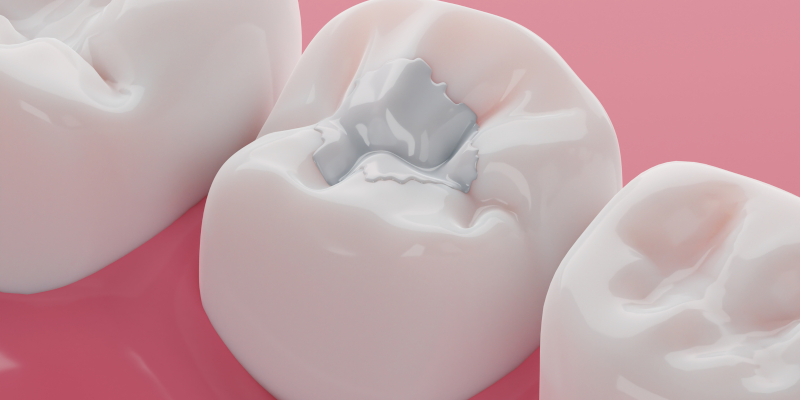
As with anything else, there are pros and cons to using white fillings, so our team at the office of Kenneth R Russell DDS has put together this article to go over the benefits and potential drawbacks.
Pros:
- White fillings preserve more tooth material. One benefit of white fillings compared to silver ones is that they do not require as much tooth material to be removed. Preserving more of your natural tooth material is better for your oral health in the long run.
- White fillings blend in. Another key benefit of white fillings is the way they blend in with your natural tooth, creating a seamless appearance. If you want to keep your teeth looking natural, then white fillings are the best option for you.
Cons:
- White fillings are less durable. A possible drawback of white fillings compared to silver ones is their relatively lower durability. Metal fillings generally last longer and are less likely to crack than white composite ones. However, given the benefits we outlined above, this is a trade-off many patients are willing to make.
If you have questions about white fillings compared to metal ones, don’t hesitate to reach out to our team today.